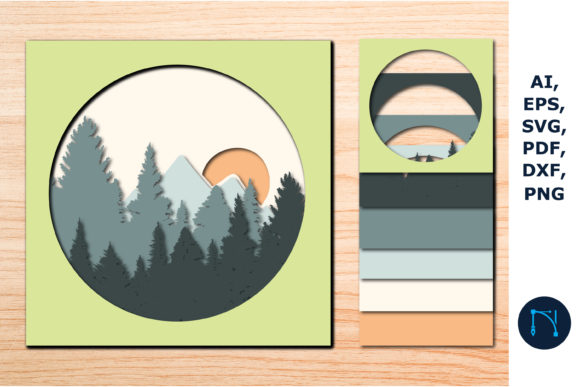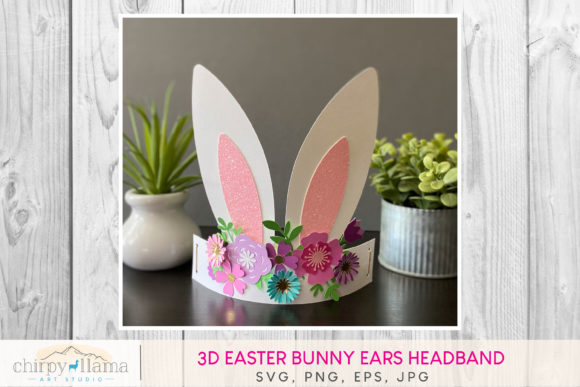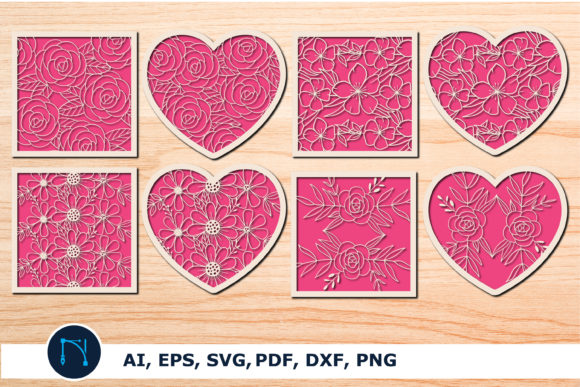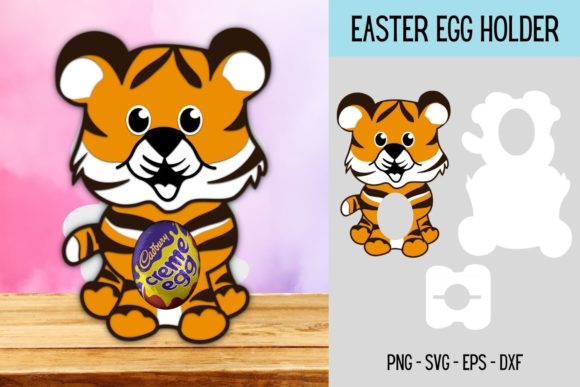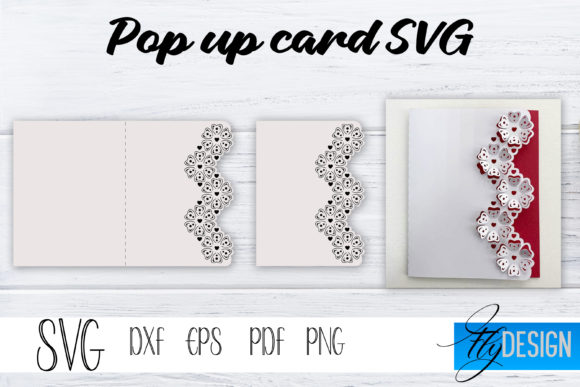
Pop Up Card 3D SVG Shapes
The first impression of Pop Up Card is striking. Its 3D SVG design adds a tactile quality to digital marketing visuals, making it ideal for campaigns that need to stand out. The design feels fresh and modern, perfect for brands aiming to create a memorable visual identity. Whether used in social media graphics or packaging design, this graphic design asset brings a sense of creativity and sophistication that aligns well with lifestyle content and event promotions.
Mood and Emotional Tone
Pop Up Card evokes a sense of celebration and elegance. It’s not just a design element—it’s a mood booster. The 3D effect gives it a playful yet professional edge, making it suitable for both casual branding and premium visuals. For small business branding, it can help convey a message of care and attention to detail. When used in a wedding or birthday campaign, it enhances the emotional tone, making the brand feel more personal and engaging.
Real-World Marketing Applications
Pop Up Card works exceptionally well in brand identity projects. Its versatility allows it to be integrated into logo design, product labels, and packaging design without overwhelming the overall look. As a digital product, it can be used in Canva templates, social media graphics, and email banners. In a content marketing strategy, it helps maintain visual consistency across platforms, reinforcing brand recognition and audience trust.
For editorial design and web design, Pop Up Card serves as a strong visual anchor. It can be used in blog graphics, website headers, and lead magnets to draw attention without looking cluttered. When paired with a display font or a script font, it adds a unique touch that elevates the overall aesthetic of the design.
Supporting Marketing Goals
This graphic design asset supports several key marketing goals. It enhances the first impression of a campaign, making it more likely to capture audience attention. With its clear visual hierarchy, it helps guide the viewer’s eye toward the main message, improving engagement and recall. For small business owners, it offers a way to present products in a more appealing manner, increasing the likelihood of conversions.
Pop Up Card also contributes to better product presentation. Whether used in a printable design or a digital ad, it adds depth and dimension that can make a brand feel more professional. This is especially useful in commercial design and digital ads where visual appeal plays a critical role in audience perception.
Best Use Cases
Pop Up Card excels in hero graphics and campaign headers, where it can serve as a focal point. It’s also great for product launch visuals, adding a sense of excitement and anticipation. As part of a design bundle, it can be used in branded templates, social media covers, and packaging accents to maintain a cohesive look across all materials.
In content creation, it’s a valuable tool for Pinterest graphics, Instagram posts, and Facebook ads. Its 3D SVG format ensures it scales well, maintaining quality at any size. For creative entrepreneurs, it’s an efficient way to add visual interest to digital products, printables, and promotional banners.
Where to Use with Caution
While Pop Up Card is versatile, it may not be suitable for every design context. In formal corporate branding, it could appear too playful or unprofessional. In dense information layouts or text-heavy ads, it might distract from the main message. Similarly, on small mobile screens or low-contrast backgrounds, it may lose its impact.
Overly minimal brands may find it too elaborate, and in designs where the focus should be on typography, it could compete with the primary message. It’s important to test it against different font styles—serif, sans serif, script, and handwritten—to ensure it complements the overall design rather than clashes with it.
Practical Designer Notes
Before finalizing any campaign, designers should test Pop Up Card with their brand color palette. Checking how it looks in black and white can reveal potential issues with contrast or visibility. Placing it inside real campaign mockups helps visualize how it integrates with other elements.
Previewing it on mobile screens is essential, as the 3D effect may not translate well on smaller devices. Ensuring readability in small sizes is crucial, especially for digital ads and social media graphics. Comparing it against competitor visuals can highlight how it stands out in the market.
Confirming the commercial license is a must, especially when using it in paid campaigns, client work, or business branding. As a design asset, Pop Up Card offers a lot of value, but its effectiveness depends on how well it aligns with the brand’s visual language and marketing goals.
Conclusion
Pop Up Card is a powerful addition to any designer’s toolkit. Its 3D SVG format and creative design make it ideal for a wide range of marketing and branding applications. Whether used in social media graphics, editorial layouts, or digital ads, it brings a level of professionalism and visual interest that can elevate a campaign.