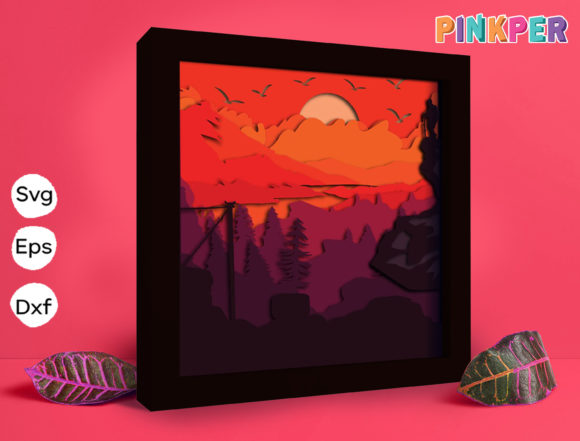
Mountain Trees Papercut Light Box
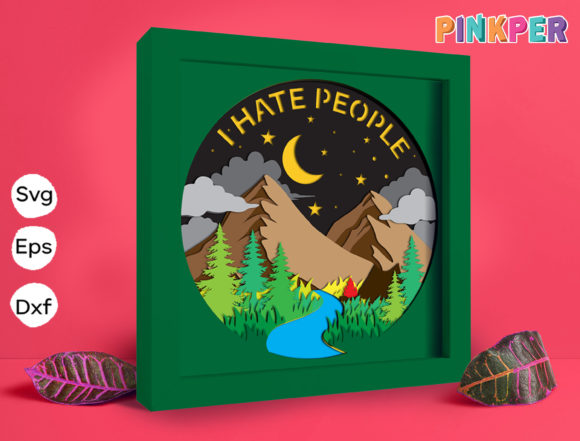
The Mountain Trees Papercut Light Box design immediately catches the eye with its serene, nature-inspired aesthetic. It’s a clean, minimalist take on a forest scene that feels both modern and timeless. The layout is well-balanced, with layered tree shapes that suggest depth without being overly complex. This makes it ideal for embroidery projects that aim to evoke calmness and simplicity.
First Impressions and Visual Personality
As a designer, the first thing I notice is how the design translates into a visual mood. The trees are stylized but not abstract—each has a defined shape that suggests a real-world counterpart. The negative space around the trees gives it a papercut feel, which works well for light box applications or as a standalone embroidered piece. The detail level is moderate, which means it can be adapted to different fabric types and embroidery machines without overwhelming the stitch count.
This design feels like it belongs in a handmade product line that emphasizes natural themes. It could work well on custom apparel, baby items, or even as an embroidered patch for a boutique brand. Its visual personality is subtle enough for everyday use but still distinctive enough to stand out in a crowded market.
Real-World Embroidery Use Cases
When considering how the Mountain Trees Papercut Light Box performs in real-life embroidery situations, I think about the practicality of using it on various items. For example, if I were creating a custom tote bag design, this would be a great choice. The design isn’t too dense, so it won’t cause puckering on lightweight fabrics. It also allows for easy placement on larger surfaces like a sweatshirt or pillow cover.
For baby items, the soft, nature-themed look is perfect. A baby onesie with this design would feel gentle and safe, fitting well into a nursery decor theme. Similarly, holiday gifts like embroidered tea towels or kitchen towels could benefit from this design, especially if they’re meant to be given as personalized gifts.
As a digital product seller, I’d consider offering this as a printable mockup or a downloadable embroidery file. It’s versatile enough for both personal and commercial use, provided the licensing terms allow it. The design’s simplicity also makes it easier to adapt for different color schemes, which is a big plus for Etsy sellers or craft business owners looking to offer multiple variations.
Where to Be Cautious
While the Mountain Trees Papercut Light Box is generally well-suited for most embroidery projects, there are some situations where it might not perform as expected. On small hoop sizes, the design may require careful placement to avoid cutting off parts of the trees. This could be an issue for those working on caps or hats, where the hoop size is limited.
On textured or stretchy fabrics, the design might not lay flat as intended. Thin or dark fabrics could also pose challenges, as the stitching might not show up clearly. If the design is used on a layered garment, such as a hoodie with a contrasting inner lining, the visibility of the embroidery could be affected.
Additionally, the design’s detailed corners and small elements may not hold up well on curved surfaces. If you’re planning to use it on a cap or a curved apron, testing it on a scrap piece of fabric first is highly recommended.
Impact on Visual Appeal and Customer Perception
The Mountain Trees Papercut Light Box has a strong visual appeal that can elevate the perceived value of any finished product. When stitched properly, it adds a touch of elegance and sophistication. This can help build customer trust, especially when selling handmade products or personalized gifts.
From a branding perspective, this design could be a valuable asset for a small shop or boutique. Its clean lines and natural theme align well with eco-friendly or rustic-style brands. It also enhances the giftability of a product, making it a popular choice for weddings, birthdays, or holiday presents.
As a designer, I appreciate how this design maintains its clarity even when scaled down. It’s a good example of how less can be more in embroidery. The balance between detail and simplicity ensures that the design doesn’t get lost in translation when applied to different materials or project types.
Practical Designer Notes
Before finalizing any project with the Mountain Trees Papercut Light Box, I recommend testing the design on scrap fabric. This helps determine how the stitches will look on your chosen material and whether the stabilizer is sufficient. Checking thread color contrast is also important, especially if the design is being used on dark or light backgrounds.
Reviewing the stitch density is another key step. While this design isn’t overly dense, it’s still worth confirming that it will work with your machine’s capabilities. Confirming the hoop size needed for the design is essential, especially if you’re working on smaller items like caps or patches.
Inspecting the small details, such as the edges of the trees, is crucial. If the design is meant for a commercial project, make sure it looks good in black and white mockups and that it adapts well to different fabric colors. Using the right stabilizer can prevent distortion, especially on delicate or stretchy materials.
Finally, always check the licensing terms before selling finished items or digital products. Even though this design seems suitable for both personal and commercial use, it’s better to confirm the specifics to avoid any legal issues down the line.