Bone 3D SVG Shapes
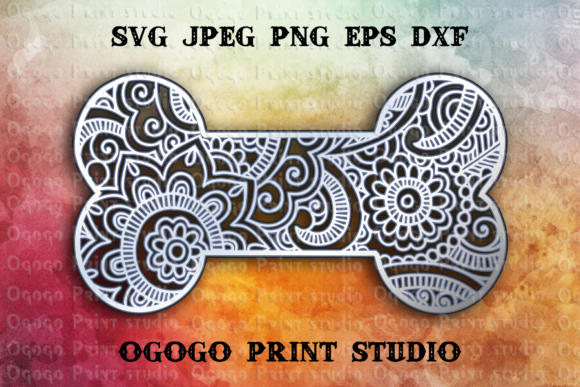
As a graphic designer with years of experience in branding, packaging, and digital design, I always approach new design assets with a critical eye. Bone, a layered bone cut file with three layers, caught my attention not just for its aesthetic but for its versatility in real-world applications. This 3D SVG shapes design offers a unique texture that can elevate a wide range of creative projects.
The First Impression of Bone
Bone immediately conveys a sense of depth and intricacy. The multilayered mandala monogram SVG feels both organic and structured, making it ideal for projects that require a touch of sophistication without being overly complex. Its visual mood leans toward the handmade, artisanal, and slightly mystical—perfect for small businesses, boutique products, or seasonal campaigns that aim to stand out.
This design asset would work well in a handmade brand’s product line, an Etsy shop, or a local event promotion. It has the potential to add character to anything from packaging to social media graphics, offering a fresh alternative to generic clipart or basic illustrations.
Practical Use in Real Design Projects
In logo design, Bone could serve as a subtle emblem or background element, adding dimension without overwhelming the primary text. For brand identity, it might be used as a recurring motif across merchandise, t-shirt designs, or even website graphics. Its layered structure allows for customization—adjusting colors, sizes, or placement to fit different visual hierarchies.
When used in product labels or packaging design, Bone adds a tactile quality that can enhance the perceived value of a digital product or print-on-demand item. It also works well in sticker design, where the 3D effect can create a more engaging visual experience.
For social media graphics, Bone can act as a hero graphic or decorative accent. In editorial design, it might be used as a border, header, or background element that supports the overall theme without distracting from the content.
Where Bone Shines
Bone excels in large layout areas, where its intricate details can be fully appreciated. It works especially well in product mockups, campaign visuals, or themed collections that benefit from a cohesive, stylized look. As a printable design, it can be used for wall art, greeting cards, or custom stickers, offering a high level of detail that translates well to physical formats.
It also serves as a strong supporting element in commercial design, such as in Canva templates or Cricut projects. Its SVG format ensures scalability, making it suitable for everything from t-shirt design to sublimation prints on mugs or tote bags.
Where to Use Carefully
While Bone is visually compelling, it may not be the best choice for minimalist branding or professional corporate materials where clean lines and simplicity are key. In crowded layouts or low-contrast designs, the complexity of the layers could become distracting, reducing readability and visual clarity.
Small sizes may also pose a challenge. At a reduced scale, the fine details might not hold up, leading to a loss of definition. It’s important to test this design asset at various sizes before finalizing any project.
Impact on Branding and Design Quality
Bone can significantly influence the emotional appeal and visual trust of a design project. Its layered structure adds a sense of craftsmanship, which can resonate well with audiences looking for authenticity and uniqueness. However, it’s crucial to maintain brand consistency—using it in moderation and ensuring it aligns with the overall design direction.
For small business branding, Bone could help differentiate a product from competitors, giving it a more polished and professional appearance. It also enhances audience engagement by offering a visually interesting element that stands out in a crowded market.
Designer Notes and Practical Checks
Before using Bone for a client project, I recommend testing it in black and white to see how it holds up without color. Check its contrast on both light and dark backgrounds to ensure visibility and legibility. Preview it at small and large sizes to confirm that the details remain clear and sharp.
Place it on real mockups to see how it interacts with other design elements. Test print quality if it will be used for physical products, and review file formats to make sure they meet your needs. If PNG transparency is included, inspect it closely for any imperfections.
For vector editing, ensure that the SVG is editable and scalable. Compare it with different font styles to see how it complements serif, sans serif, script, or display fonts. Always confirm the commercial license before using it for a client or business project.
Conclusion: A Valuable Addition to Your Design Toolkit
Bone is a versatile 3D SVG shapes design that can bring a unique visual flair to a variety of creative projects. Whether you're working on a handmade business, a seasonal campaign, or a print-on-demand product, this design asset offers a level of detail and texture that can elevate your work.
By understanding its strengths and limitations, you can use Bone effectively to enhance your design portfolio, support your clients’ branding efforts, and create visually striking digital products. As with any graphic design asset, careful consideration and testing will ensure that it meets the specific needs of your project and audience.